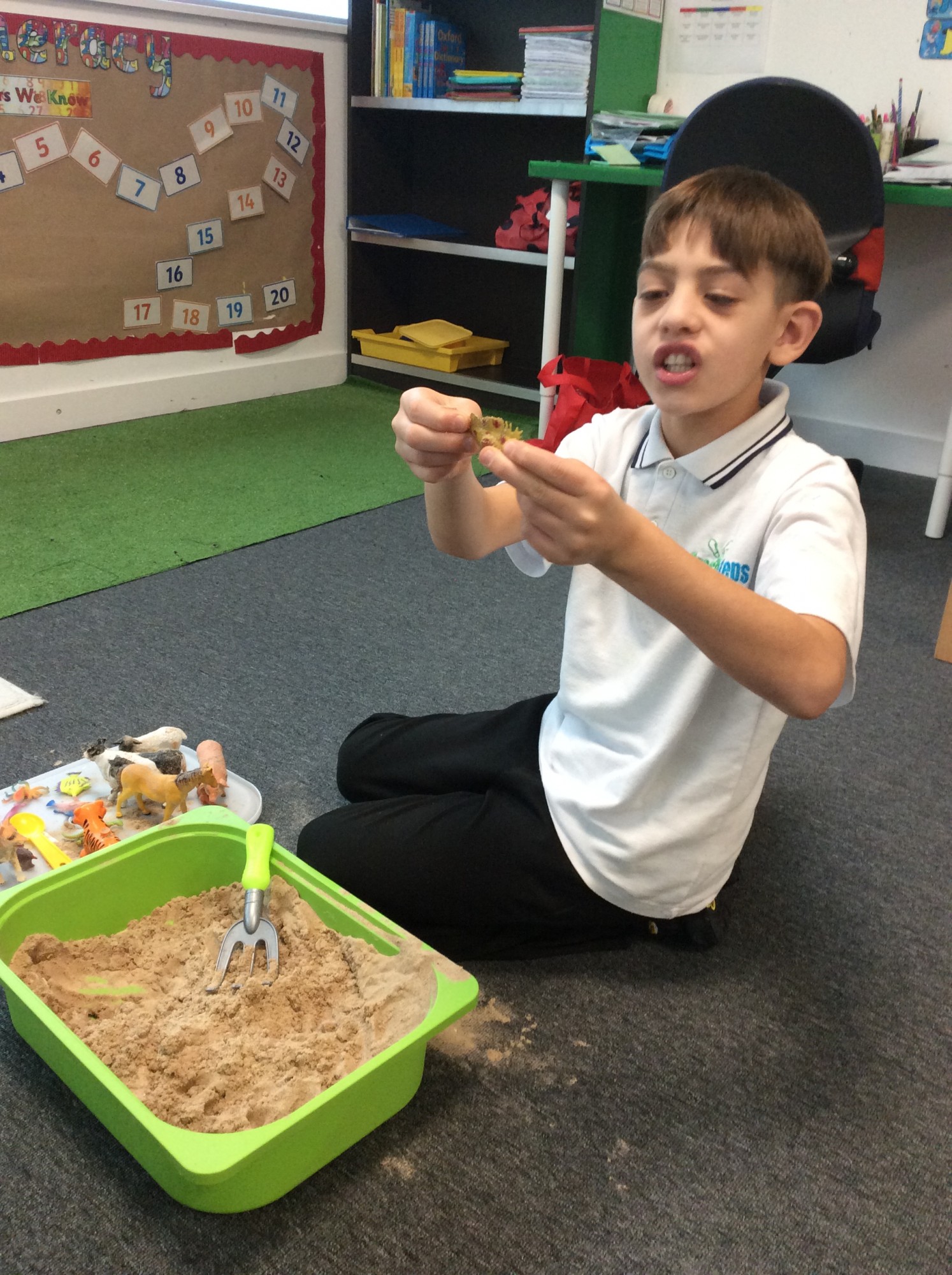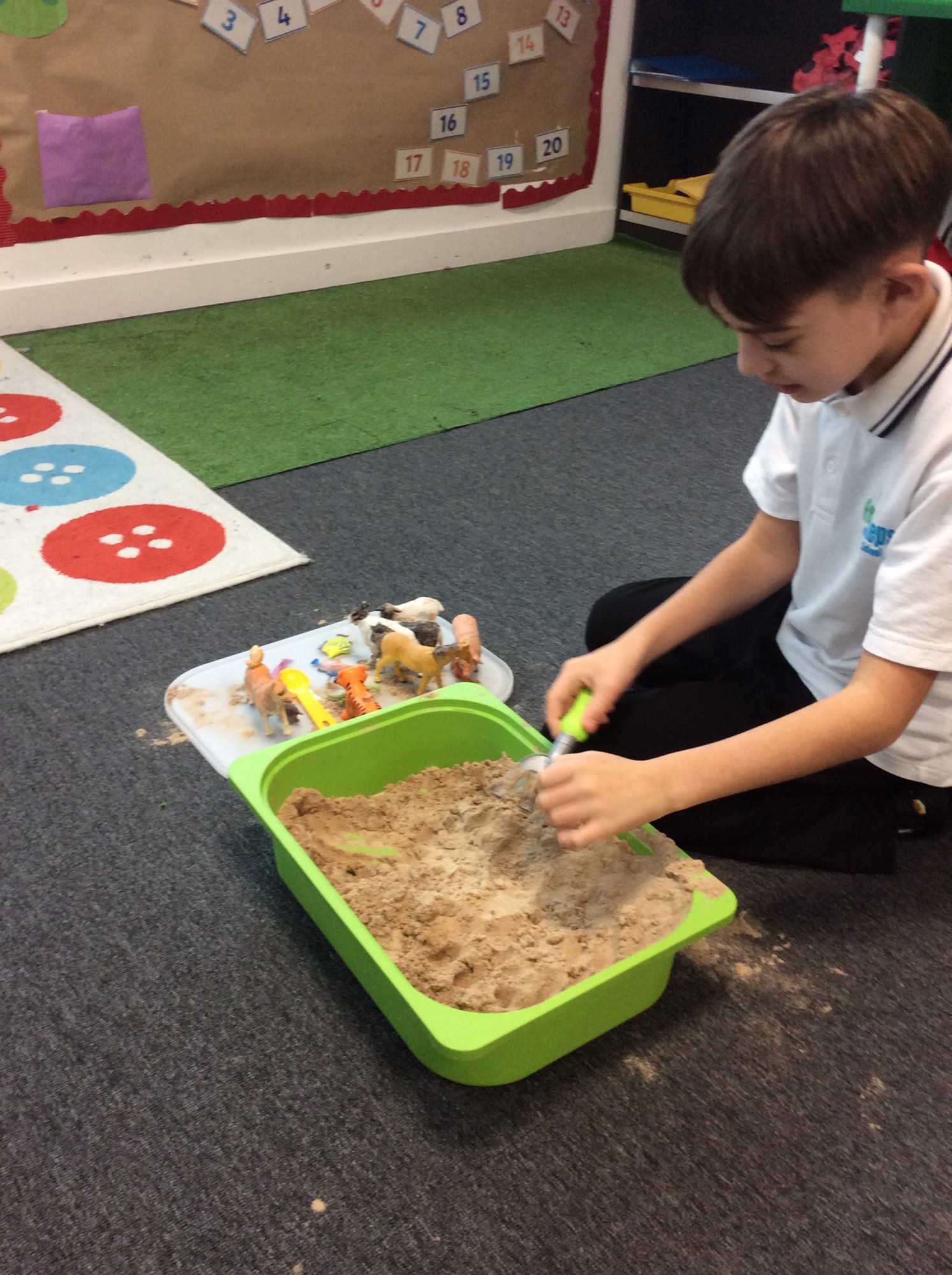

Science
Intent Statement – Science Primary
At FreshSteps, our Science curriculum is designed to inspire curiosity, exploration, and a lifelong interest in understanding the world around us. Using the PlanBee Science Primary Curriculum alongside the National Curriculum objectives for Key Stages 1 and 2, we aim to provide pupils with a broad, balanced, and engaging science education that develops scientific knowledge, enquiry skills, and confidence in learning.
Our intent is to ensure that all pupils, regardless of their starting points, are given opportunities to explore scientific concepts through practical, hands-on experiences that encourage questioning, investigation, and discovery. We recognise that many pupils may arrive with gaps in their learning, and our curriculum is carefully structured to build knowledge progressively while revisiting and consolidating key concepts.
At FreshSteps, we want pupils to develop resilience, independence, confidence, and curiosity within science. We encourage pupils to take risks, ask questions, solve problems, and learn from mistakes within a safe and supportive environment. Through engaging investigations and real-life scientific experiences, pupils develop an understanding of how science impacts everyday life and the wider world.
We also aim to develop important personal skills such as teamwork, communication, patience, and critical thinking by encouraging pupils to work collaboratively during experiments and scientific enquiries. Our science curriculum promotes enjoyment, engagement, and confidence while helping pupils develop the skills needed to become thoughtful, inquisitive, and independent learners.
Implementation
At FreshSteps, Science is delivered through the PlanBee Science Primary Curriculum, which provides a structured and engaging approach to teaching scientific knowledge and enquiry skills. Teachers use detailed schemes of work, practical resources, and interactive activities to deliver high-quality science lessons that are accessible to all learners.
Each lesson focuses on specific scientific objectives linked to the National Curriculum and is designed to encourage pupils to think scientifically through questioning, observing, investigating, predicting, and evaluating. Lessons are practical, hands-on, and adapted to meet the individual needs and learning styles of our pupils.
Key elements of implementation include:
• Interactive teaching slides that introduce and explain scientific concepts clearly.
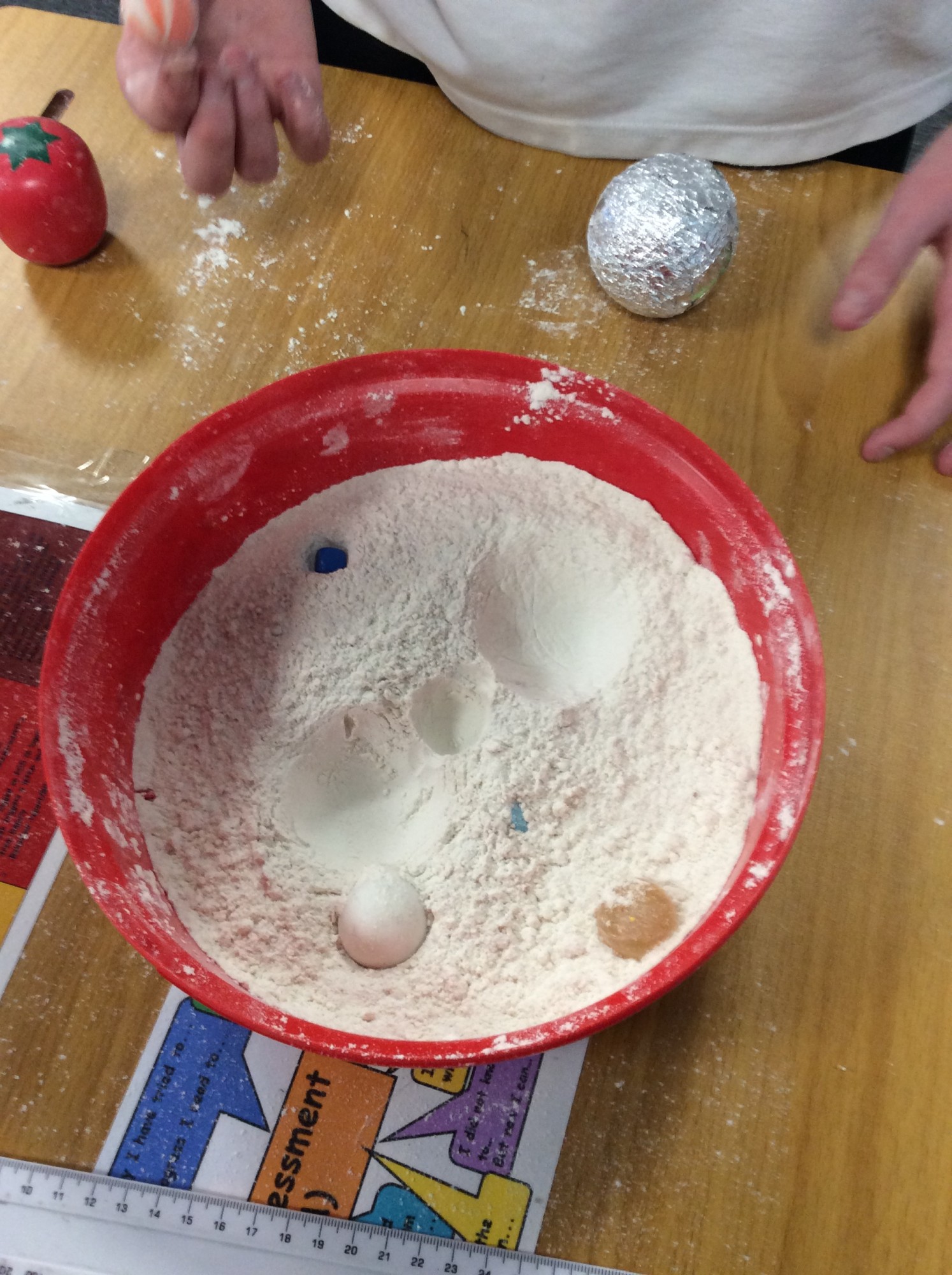
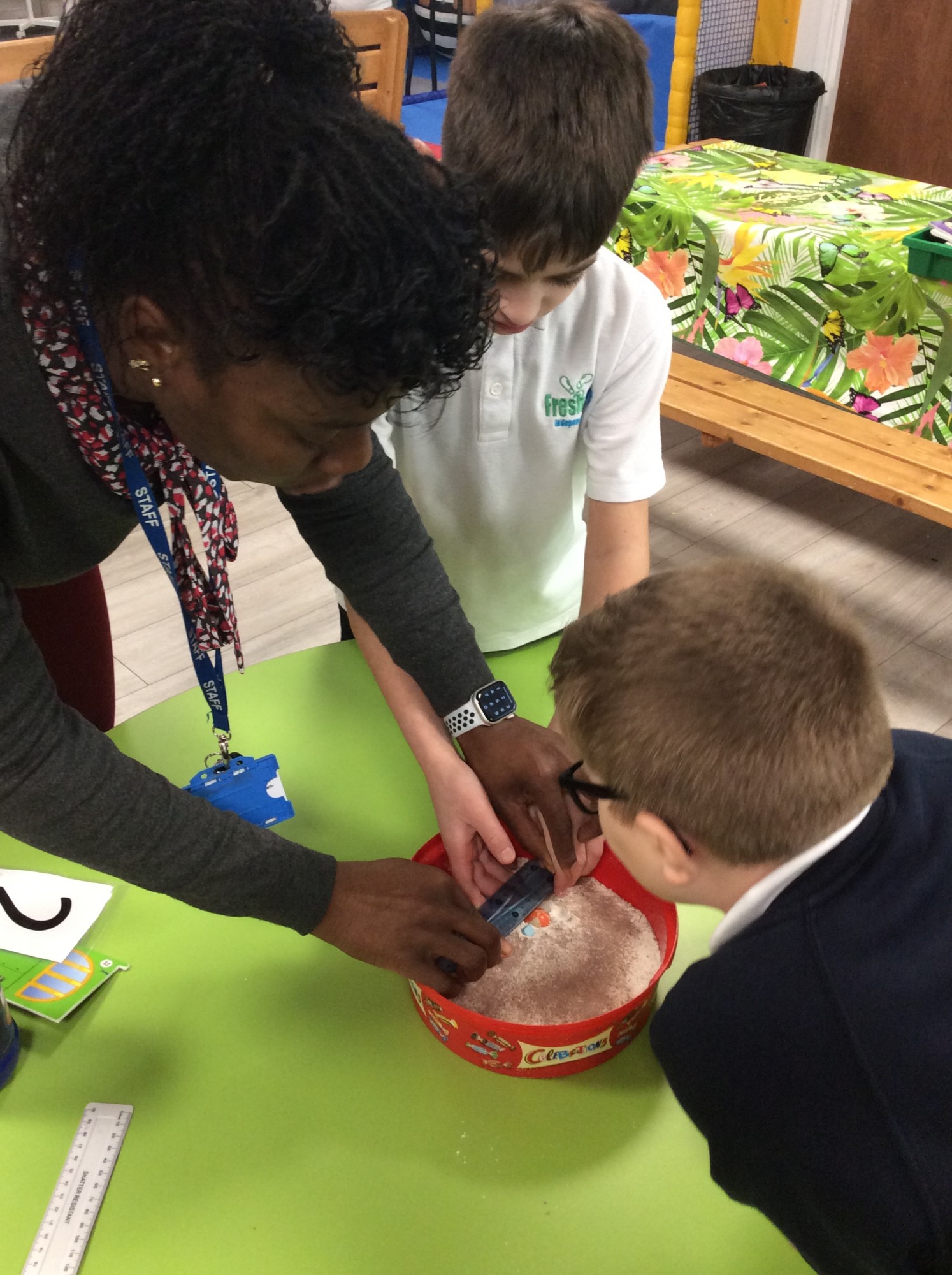
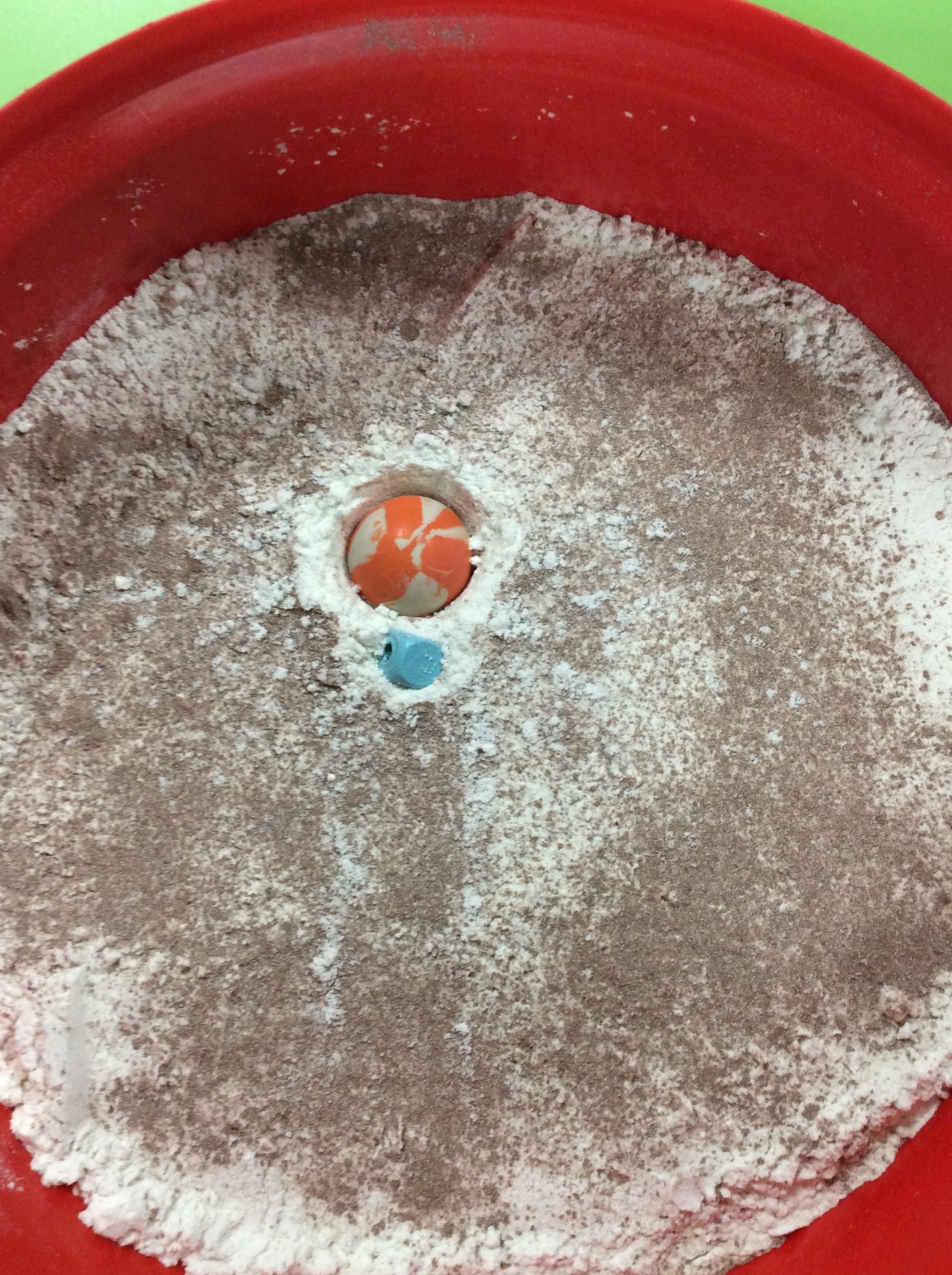
• Practical experiments and investigations that allow pupils to actively explore the natural world.
• Differentiated activities and resources to support varying abilities and learning needs.
• Visual aids, worksheets, activity cards, and information sheets to reinforce understanding.
• Opportunities for collaborative learning, discussion, and teamwork during scientific enquiries.
• Flexible planning that allows time for consolidation, revisiting learning gaps, and extending scientific understanding beyond the curriculum.
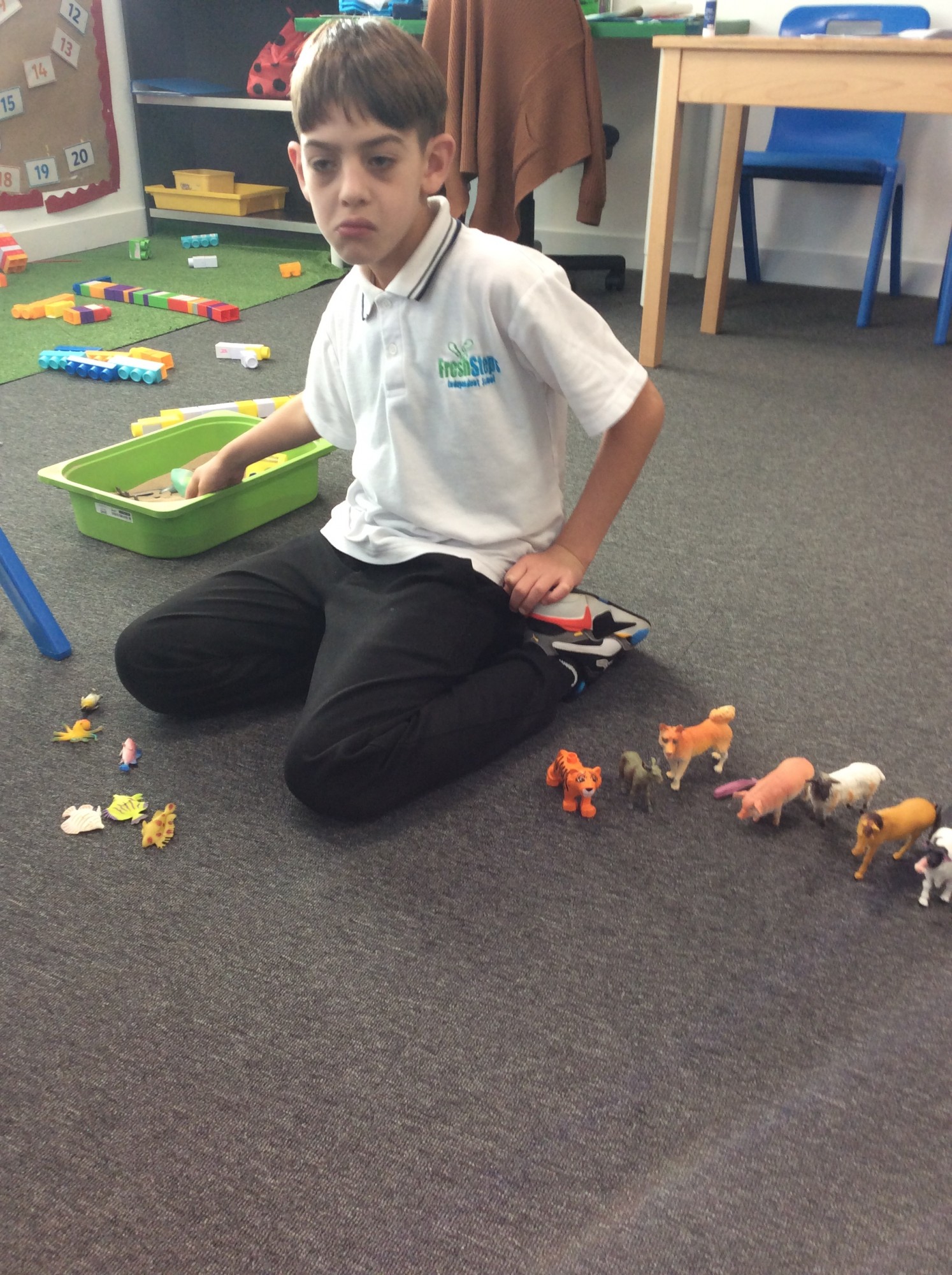
Teachers deliver one science topic each half term, with opportunities built in for revision, retrieval practice, and enrichment activities. Lessons often include practical investigations linked to topics such as plants, habitats, materials, forces, electricity, animals including humans, and states of matter, helping pupils make meaningful connections between science and everyday life.
Assessment is ongoing throughout lessons, enabling teachers to monitor progress, identify misconceptions, and adapt teaching to ensure all pupils are supported and challenged appropriately.
Impact
The impact of Science at FreshSteps is that pupils become increasingly curious, confident, and enthusiastic learners who enjoy exploring and understanding the world around them. Pupils develop a secure foundation of scientific knowledge alongside the ability to think critically, ask questions, and investigate independently.
Through practical and engaging lessons, pupils build resilience and confidence in problem-solving, learning that mistakes are part of the scientific process. They become more willing to take part in discussions, share ideas, and work collaboratively with others during investigations and experiments.
The curriculum supports pupils in developing important life skills including teamwork, communication, independence, patience, and perseverance. Pupils learn how to observe carefully, make predictions, test ideas fairly, and explain their thinking using scientific vocabulary.
Regular assessment and monitoring ensure that gaps in knowledge are identified and addressed, enabling pupils to make strong progress from their individual starting points. Teachers can adapt lessons effectively to meet the needs of all learners, while also extending pupils who demonstrate a deeper understanding.
As a result, pupils leave primary science lessons feeling engaged, successful, and motivated to continue learning. They develop the confidence, curiosity, and scientific understanding needed to support future learning and to become active, informed, and inquisitive members of society